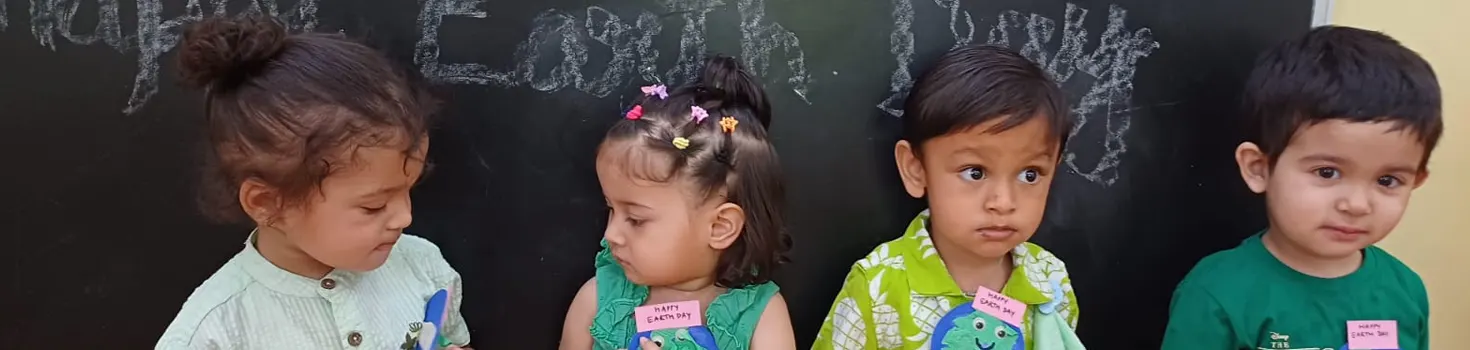
Choosing a Preschool? This Detail Matters More Than Fees or Distance
Parents often begin with practical filters while choosing a preschool. A short commute, a comfortable fee range, and a neat building, yet the real question sits deeper. When your child steps inside for the first time, what kind of emotional atmosphere meets them?
At a preschool in Gurgaon, the true deciding factor is not location. It is the daily culture of care, communication, and calm that shapes how children feel, speak, and belong. Real learning takes place with the quiet emotional bond between a teacher and a young learner.
Finding a quality preschool in Gurgaon or any developing city requires looking past the colourful walls. Look for the invisible spark of curiosity instead of the school bus route. A child's future depends on how they feel when no one is watching them.
The Classroom Culture Children Feel First
Children notice the tone before the timetable. They respond to warmth before worksheets. A preschool’s culture lives in small moments, repeated daily, that quietly shape behaviour and trust.
A strong early years setting often shows itself through:
- Educators who speak gently, even while correcting behaviour
- Routines that feel steady, not rushed or noisy
- Classrooms that allow movement without chaos
- Adults who listen closely, not simply instruct
- Spaces where children feel safe to try and fail
This is the detail parents remember later. Not the brochure. Not the bus route. The emotional rhythm stays with a child.
Preschool School Readiness Begins with Emotional Security
- Teachers greet each child by name, which helps in building familiarity and comfort from the first step inside
- When children receive consistent responses, they learn boundaries without any fear or confusion
- A calm transition in the school classrooms helps children shift between play, meals, and learning without stress
- Peer interactions at preschool schools are guided kindly, that helps shaping early friendships and social confidence
- Teachers acknowledge feelings of children, helping them express rather than withdraw or act out
- Preschools also set daily routines that are predictable. It gives children stability during the transition from a home environment to school
What Parents Should Observe During a Preschool Visit
A school visit reveals what websites cannot. The most telling signs appear in ordinary moments, not staged presentations. Watch how teachers speak and deal with children in their classrooms.
Notice whether teachers kneel to a child’s level. Observe how they handle conflict between toddlers. Look for patience in transitions. A meaningful preschool experience should feel respectful, even in busy hours of a regular school day.
Ask simple questions to teachers or the school authority. How does the school respond to tears? How are shy children included? What happens when a child refuses an activity? The answers reveal the true philosophy.
The Role of Language, Listening, and Daily Conversation
Early learning is built through conversation. Not lectures. Not pressure. A strong environment invites children into language through stories, questions, and gentle dialogue.
Educators who listen well teach children that their voice matters. That habit becomes confidence. It also becomes a curiosity. Children begin to ask, explain, and connect ideas naturally.
A thoughtful preschool school does not rush speech. It encourages expression in many forms, including drawing, movement, and play.
Parents Often Overlook Peer Environment at A Preschool
- Mixed group play teaches children patience, sharing, and early problem solving through real interaction
- Children learn empathy when guided to notice others’ feelings in small daily moments
- Group routines help children understand community, not competition or comparison
- Friendships formed early often support smoother transitions into primary school
- Social learning builds resilience, especially when adults mediate gently and fairly
- A balanced classroom prevents overstimulation and helps quieter children feel included
Parents often focus on curriculum, yet the peer environment shapes behaviour daily. Children absorb the emotional tone of their group.
Conclusion
Choosing a preschool calls for looking beyond convenience. The detail that matters most is how your child will feel every morning, in every interaction, across every small routine. When culture is calm, communication is respectful, and care is consistent, children thrive naturally. At The Shri Ram Early Years (TSEY), we believe early education begins with belonging, and we remain committed to creating spaces where childhood feels secure, joyful, and deeply understood.
 Walkthrough@TSEY
  Shri Educare
  Parent Login
  The Shri Ram School